My Child Is in a Social Emotional Learning Elementary Program. What Does That Mean?
You got a note home, or a teacher mentioned it at pickup, or you noticed it listed on the school website, and now you're wondering what exactly social emotional learning is and why your child is part of it.
You're not alone in asking. A lot of parents end up searching for answers to this question, and most of what comes up is written for educators rather than for the parent sitting at the kitchen table trying to work out whether this is something to be concerned about.
It's not. But you deserve a straight answer about what social emotional learning for elementary students actually looks like in real life, what your child is learning, and what you can do at home to support it.
What is a social emotional learning elementary program?
Social emotional learning, or SEL, is the process through which children learn to understand and manage their emotions, build healthy relationships, make responsible decisions, and navigate the social world around them. A social emotional learning elementary program is simply a structured way schools help children build those skills during the school day.
It's not therapy. It's not a sign that your child is struggling more than other children. As of 2025, all 50 states have pre-K SEL standards, and roughly 27 to 29 states have adopted K-12 SEL standards, which means the majority of American children are receiving some form of SEL as part of their standard education.
It can help to think about it the same way you think about physical education. PE teaches children how to use their bodies effectively. A social emotional learning elementary program teaches children how to navigate emotions, relationships, conflict, and decision-making more effectively. Both are considered part of a well-rounded education, and neither is a response to something being wrong with your child specifically.
What Children Learn in Social Emotional Learning
Most people assume SEL is just talking about feelings in a vague, circle-time sort of way.
In practice, the social emotional learning topics for elementary students are specific, skills-based, and grounded in research. CASEL, the Collaborative for Academic, Social, and Emotional Learning, identifies five core areas that every quality program builds:
Self-awareness: your child is learning to identify what they're feeling and why, and to understand how their emotions affect their behaviour and their relationships.
Self-management: your child is learning practical strategies for managing difficult emotions, handling stress, and making choices that align with their own values rather than just reacting to whatever they're feeling in the moment.
Social awareness: your child is developing empathy, the ability to understand what someone else is experiencing and to respond with care rather than judgment.
Relationship skills: your child is learning how to communicate clearly, listen actively, manage conflict, and build and maintain genuine friendships.
Responsible decision-making: your child is learning to think through the consequences of their choices before making them, and to take responsibility for the outcomes.
These aren’t just school skills. They're the skills that shape how your child handles difficulty for the rest of their life.
What Does SEL Look Like in an Elementary Classroom?
It varies by school and by the program the school has chosen, but most elementary SEL programs follow a similar structure. Many schools use programs like Second Step, which uses stories, games, and guided practice to help children learn to calm down, be kind, and work with others; PATHS, which focuses on helping children name emotions and practice managing them; and the Zones of Regulation, which helps children identify their emotional state using a color system and choose strategies to manage it.
In practice, implementing social emotional learning in the elementary classroom might look like a weekly lesson where children discuss a scenario and talk about how a character in a story might be feeling. It might look like a morning meeting question that asks children to check in with their own emotional state before the school day begins. It might look like a guided conversation after a conflict on the playground about what each child was experiencing and what a better choice might have looked like.
The goal is always to give children the vocabulary, self-awareness, and practical tools to handle their emotional and social lives with more confidence.
Does a social emotional learning elementary program actually work?
The research is consistent and compelling. A major review published by researchers from USC and Yale strengthened the already growing evidence that SEL programs support both emotional wellbeing and academic success.
In real classrooms, schools that implement SEL well often see fewer behavioural issues, stronger relationships between students, and children who are better equipped to handle conflict and stress.
Social Emotional Learning Activities for Elementary Students at Home
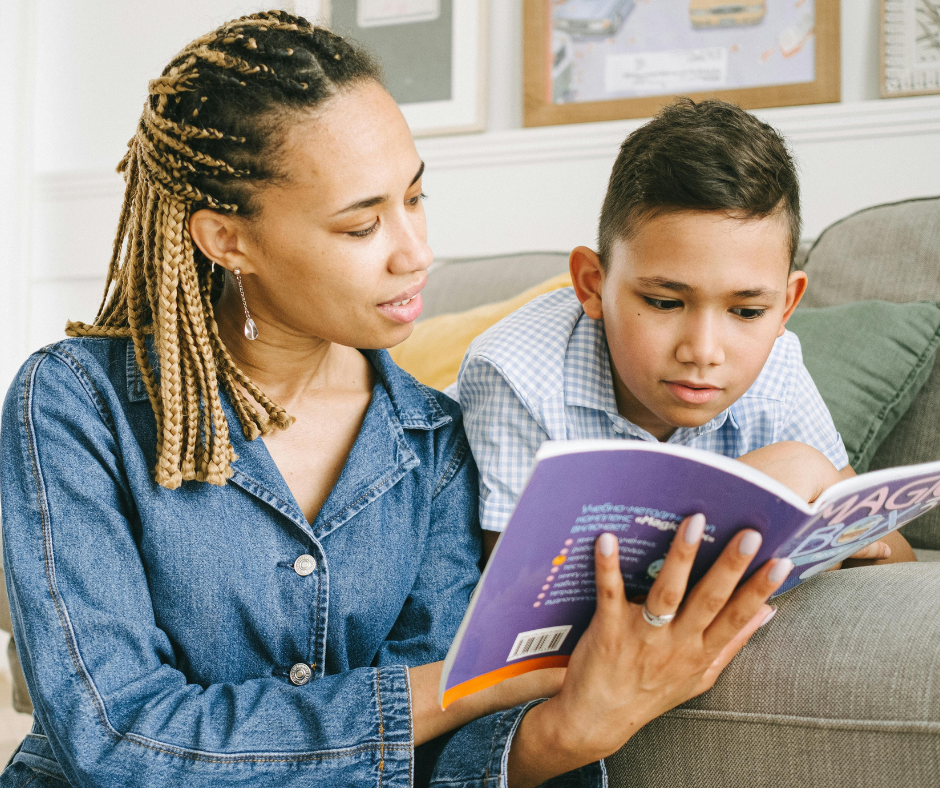
The most important thing you can do at home is talk. Not about the program specifically, but about the things the program is building skills around.
The social emotional learning activities for elementary students that work best at home are usually the simplest.
Ask your child not just how their day was but what felt hard today, what they noticed about how a friend was feeling, what they did when something went wrong and what they might do differently next time.
These conversations don’t need to feel formal or scripted. They just need to be genuine, and they need to happen regularly enough that your child knows their emotional experience is something you're genuinely interested in.
Social emotional learning strategies for elementary students at home include:
Reading together and pausing during an emotional moment in the story to ask what the character was feeling, or why they made the choice they did. This gives your child practice in exactly the skills their school program is building, without it feeling like homework.
Naming your own emotions out loud sometimes, because children learn the language of emotional awareness by hearing it modelled, not just by being taught it.
Asking thoughtful questions like ‘What felt hardest today?’ or ‘What do you think your friend was feeling?' rather than questions that invite a yes or no answer.
Social Emotional Learning Books for Elementary Students
Books are one of the most effective and natural tools for supporting social emotional learning for elementary students at home. A well-chosen book gives a child enough emotional distance to explore a difficult topic safely, letting them engage with big feelings through the safety of a character's story rather than being asked to expose their own experience directly. This is the basis of bibliotherapy, and it's used by school counselors, therapists, and parents worldwide.
For families looking for recommended SEL books for elementary students to use alongside a school program, the Radical Ray series was written specifically for this purpose. Each of the four books follows Ray, an Australian boy aged 8 to 10, through a distinct emotional experience: kindness and belonging in Book 1, family change and trust in Book 2, self-worth in Book 3, and grief in Book 4.
Each book includes built-in discussion questions at the back that help parents, teachers, and counselors open conversations naturally after a chapter.
Should Parents Be Concerned About SEL?
No. A social emotional learning elementary program is not a flag that your child has a problem. It's a recognition that emotional and social skills are learnable, that children benefit from being taught them explicitly, and that the elementary years are the most important window for building them.
If you have specific questions about what your child's school is teaching or how the program is structured, the best first step is a conversation with your child's teacher or school counselor. They can tell you exactly what your child is working on and how you can support it at home.
Social emotional learning for elementary students is simply the formal name for something good parents and teachers have always tried to do: help children understand themselves, treat other people with care, and navigate difficulty without shutting down.
The fact that your child’s school is intentionally teaching these skills is something worth feeling reassured by, not worried about.


Comments